Manhood Peninsula Partnership Caring for Chichester’s Coastal Communities. The Manhood Peninsula Partnership was inspired by local residents to promote a sustainable way forward for addressing the environmental, social and economic challenges posed to the area by climate change.
Manhood Peninsula Partnership Coastal Management A large part of the Manhood is less than 5m above sea level and at risk from flooding, both inland and coastal. It is likely that climate change will increase this risk, through rising sea levels, rising water tables and increased precipitation intensity. Drainage is an increasing problem in the Manhood as the existing ditches are proving inadequate to handle increased run-off resulting from recent development and heavier rainfall. Plans...
Manhood Peninsula Partnership Climate Change The Manhood Peninsula is particularly vulnerable to the effects of climate change including rising sea levels, rising water table, and more intense precipitation. As a result, the MPP has been working closely with the community to raise levels of awareness and to help produce adaptation plans. These include: practical adaptations funded through a Community Grant Fund including the installation of cycle racks at East Wittering School; the provision of water butts...
Manhood Peninsula Partnership History The Manhood Peninsula Partnership was formed in 2001 following concerns raised among local residents about the need for greater co-ordination between the bodies and organisations responsible for the management of the Peninsula and their ability to work with local people to address present and future environmental, social and economic challenges. The MPP was formed in July 2001 as a direct result of a 5 -day workshop organised by local residents...

Manhood Peninsula Partnership

Appledram

Appledram
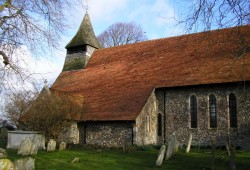
Image courtesy Chichester Harbour Conservancy

From this small parish, rich in history, residents and visitors alike enjoy magnificent views from Dell Quay, once the port for Chichester, out over the waters of the harbour with bobbing boats and abundant wildlife or, by turning north, espy across the rich low-lying farmland the “always present cathedral spire”, according to naturalist W.H. Hudson a century ago, with the line of distant Downs beyond . This is a scattered parish of several parts with farms, fine waterside residences, and even prosperous business parks and a hotel on Birdham Road, much of it within the Harbour Area of Outstanding Natural Beauty. From a visit to its picturesque parish church or a walk along the harbour path, one instantly sympathises with residents’ concerns as they observe the “rat-run” of Apuldram Lane or contemplate the possibility of future major developments nearby threatening their parish’s quintessentially English charm .