Sustainability
Sustainability is just one word and yet there are over 300 definitions. In 1987, the World Commission on Environment and Development produced the best known definition of sustainability – “meeting the needs of the present without compromising the ability of future generations to meet their own needs.”
The findings from this report became known as the Brundtland Report, also known as Our Common Future, which alerted the world to the urgency of making progress toward economic development that could be sustained without depleting natural resources or harming the environment.
In moving towards environmental sustainability, we are attempting to reduce our ecological footprint. This equates to reducing the amount of resources we use, the waste we produce and the emissions we produce.
Locally there are already ideas in action which can help reduce environmental impacts.
The Greening Campaign

The Greening Campaign was set up in response to the threat of global warming. It is an innovative idea to help motivate people to reduce their energy consumption and therefore lower their personal and community carbon footprint. The scheme started in Hampshire with the ‘Greening Petersfield’ campaign, the idea of a local resident who wanted to make a difference. On... Continue Reading »
Solar Boat
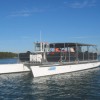
There are many environmental benefits to be found when using an electrically driven Solar Powered catamaran as opposed to more conventional fuel driven vessels: · Silent running – therefore no disturbance to birds, animals or humans · No exhaust emissions – therefore no CO2 contribution to greenhouse gases · The twin hull configuration contributes two major benefits; tremendous stability and no wash.... Continue Reading »