Manhood Peninsula Partnership Caring for Chichester’s Coastal Communities. The Manhood Peninsula Partnership was inspired by local residents to promote a sustainable way forward for addressing the environmental, social and economic challenges posed to the area by climate change.
Manhood Peninsula Partnership Coastal Management A large part of the Manhood is less than 5m above sea level and at risk from flooding, both inland and coastal. It is likely that climate change will increase this risk, through rising sea levels, rising water tables and increased precipitation intensity. Drainage is an increasing problem in the Manhood as the existing ditches are proving inadequate to handle increased run-off resulting from recent development and heavier rainfall. Plans...
Manhood Peninsula Partnership Climate Change The Manhood Peninsula is particularly vulnerable to the effects of climate change including rising sea levels, rising water table, and more intense precipitation. As a result, the MPP has been working closely with the community to raise levels of awareness and to help produce adaptation plans. These include: practical adaptations funded through a Community Grant Fund including the installation of cycle racks at East Wittering School; the provision of water butts...
Manhood Peninsula Partnership History The Manhood Peninsula Partnership was formed in 2001 following concerns raised among local residents about the need for greater co-ordination between the bodies and organisations responsible for the management of the Peninsula and their ability to work with local people to address present and future environmental, social and economic challenges. The MPP was formed in July 2001 as a direct result of a 5 -day workshop organised by local residents...

Manhood Peninsula Partnership

Nature and Conservation
Nature and Conservation
© Copyright Kevin Osborne and licensed for reuse under this Creative Commons Licence.

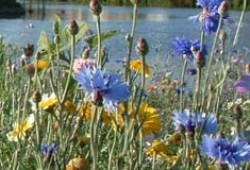
The peninsula contains several internationally important nature conservation areas (see wildlife page). Consultation is underway to examine how the environmental character of the Manhood could be enhanced under the proposed managed realignment scheme and how it could benefit the local population, through sensitive management of habitat and tourism.

2010-iyb-logo2010 is the International Year of Biodiversity and the year when the current global target for biodiversity set in 2002 expires. In mid-january, representatives from over 50 countries met in London to discuss the curent state of biodiversity.

To highlight the importance and vulnerability of UK plants and wildlife during the International Year of Biodiversity, Natural England will be introducing a species of the week until the end of the year. See if you can find any of these in the countryside near you.

Produced to coincide with the International Year of Biodiversity, Natural England have produced their report  Lost Life which identifies nearly 500 animals and plants that have become extinct in England – practically all within the last two centuries. It also highlights how habitat loss, inappropriate management, environmental pollution and pressure from non-native species have all played a part in the erosion of England’s biodiversity. Download your copy of Lost Life here, or go to Natural England’s website for the same report that can be downloaded in smaller sections.

For more information explore our Nature and Conservation Links.