Manhood Peninsula Partnership Caring for Chichester’s Coastal Communities. The Manhood Peninsula Partnership was inspired by local residents to promote a sustainable way forward for addressing the environmental, social and economic challenges posed to the area by climate change.
Manhood Peninsula Partnership Coastal Management A large part of the Manhood is less than 5m above sea level and at risk from flooding, both inland and coastal. It is likely that climate change will increase this risk, through rising sea levels, rising water tables and increased precipitation intensity. Drainage is an increasing problem in the Manhood as the existing ditches are proving inadequate to handle increased run-off resulting from recent development and heavier rainfall. Plans...
Manhood Peninsula Partnership Climate Change The Manhood Peninsula is particularly vulnerable to the effects of climate change including rising sea levels, rising water table, and more intense precipitation. As a result, the MPP has been working closely with the community to raise levels of awareness and to help produce adaptation plans. These include: practical adaptations funded through a Community Grant Fund including the installation of cycle racks at East Wittering School; the provision of water butts...
Manhood Peninsula Partnership History The Manhood Peninsula Partnership was formed in 2001 following concerns raised among local residents about the need for greater co-ordination between the bodies and organisations responsible for the management of the Peninsula and their ability to work with local people to address present and future environmental, social and economic challenges. The MPP was formed in July 2001 as a direct result of a 5 -day workshop organised by local residents...

Manhood Peninsula Partnership

Agriculture and Horticulture
Agriculture and Horticulture
© Copyright Jane Cunningham and licensed for reuse under this Creative Commons Licence.

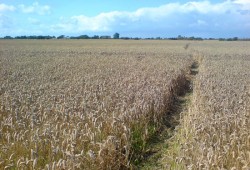
Agricultural land on the manhood is mainly Grade I and Grade II, among the best arable land in the country. Farms in the area have an average size of about 625 acres. The National Farmers Union estimates that an arable farm needs to be about 400 acres or more to be profitable. However, increasing drainage problems is resulting in difficulties for farmers and this is likely to worsen with climate change. In addition, farmland nearer to the coast will probably face increasing salination due to water inundation. Three farms have recently been acquired by the Environment Agency for the Medmerry managed realignment scheme.

Horticulture is a growing industry on the coastal plain, due to its long hours of sunshine. Several large glasshouse complexes have been built in recent years using advanced technology located east of Chichester. The Manhood Peninsula has many smaller, less-economically viable glasshouse developments as a result of land-settlement initiatives undertaken after WWII. However, poor road infrastructure and drainage makes development of large commercial glasshouses on the peninsula impractical.

Both the horticultural and agricultural industries play a major part in defining the area’s landscape and, therefore, impact upon the area’s other main economic provider – tourism and recreation.

Have a look at the Sustainability Links section of the website to find out more about local produce and sustainability issues.